 EasyToolHub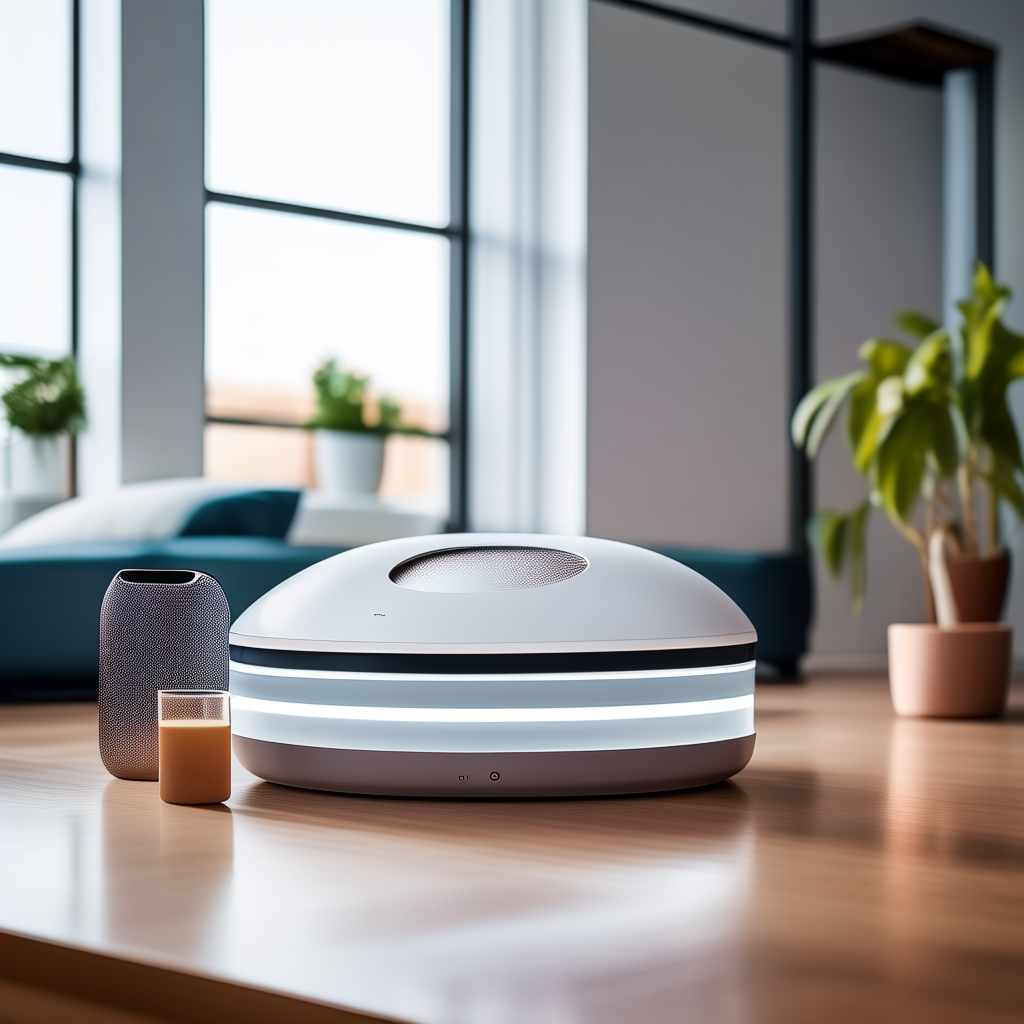
Introduction
Smart home automation in 2026 has jumped from simple routines to genuinely intuitive environments, and the EvoHome Nexus 2026 is the boldest attempt yet at a central brain. It promises to predict your needs before you voice them, unify Matter, Thread, and Wi-Fi 7 devices seamlessly, and do it all with a privacy-first edge AI engine. After three weeks of living with it, here’s our full review.
Design and Setup
The Nexus is a sleek fabric-wrapped cylinder available in matte charcoal and soft linen. Its top surface is a touch-sensitive display that shows weather, time, and device status without being intrusive. Setup via the EvoHome app took under five minutes: the hub auto-discovered 47 devices across four protocols and intelligently grouped them by room. The local processing module, a compact puck that plugs into your router, ensures commands execute in under 150 ms even when the internet drops.
Automation and AI Features
What makes the Nexus 2026 special is its “Cognitive Routine” engine. Unlike static if-this-then-that triggers, the hub learns your patterns over the first week. By day five, it dimmed the hallway lights as I reached for my keys, preheated the oven when my evening workouts ended, and paused the robot vacuum when it detected a phone call via the TV soundbar. The system also introduced “Eco-Flow,” a dynamic energy mode that shifts heavy appliance use to off-peak tariffs without any input. Voice control supports natural language, so “I’m sweating” automatically triggers the ceiling fan and the AC to 21°C.
Privacy and Local Control
All audio and behavioral data stay on-device thanks to the dedicated Neural Processing Unit. The hub creates anonymized home maps without cloud uploads. There’s a physical mute switch that cuts the microphone array and camera sensor completely, and the companion app shows a clear log of every action the AI takes, with one-tap deletion.
Comparison with Competitors
Against the Google Home Hub Max (2026), the Nexus wins on protocol breadth and local processing, whereas Google’s strength is its superior display and media casting. Apple’s HomePod Pro 2026 offers tighter ecosystem integration for Apple users and spatial audio, but its automation rules remain rigid compared to Nexus’s learning engine. Amazon’s Echo Show 15+ is a close multimedia contender, yet it relies more heavily on cloud processing, introducing slight latency.
Verdict
The EvoHome Nexus 2026 isn’t just another smart speaker; it’s a genuine automation hub that learns, protects privacy, and unifies the chaotic smart home landscape. It earns a strong recommendation for anyone ready to step into predictive living, though the $229 price might feel steep if you only need basic voice commands. If you want a home that truly anticipates you, this is the benchmark.