 EasyToolHub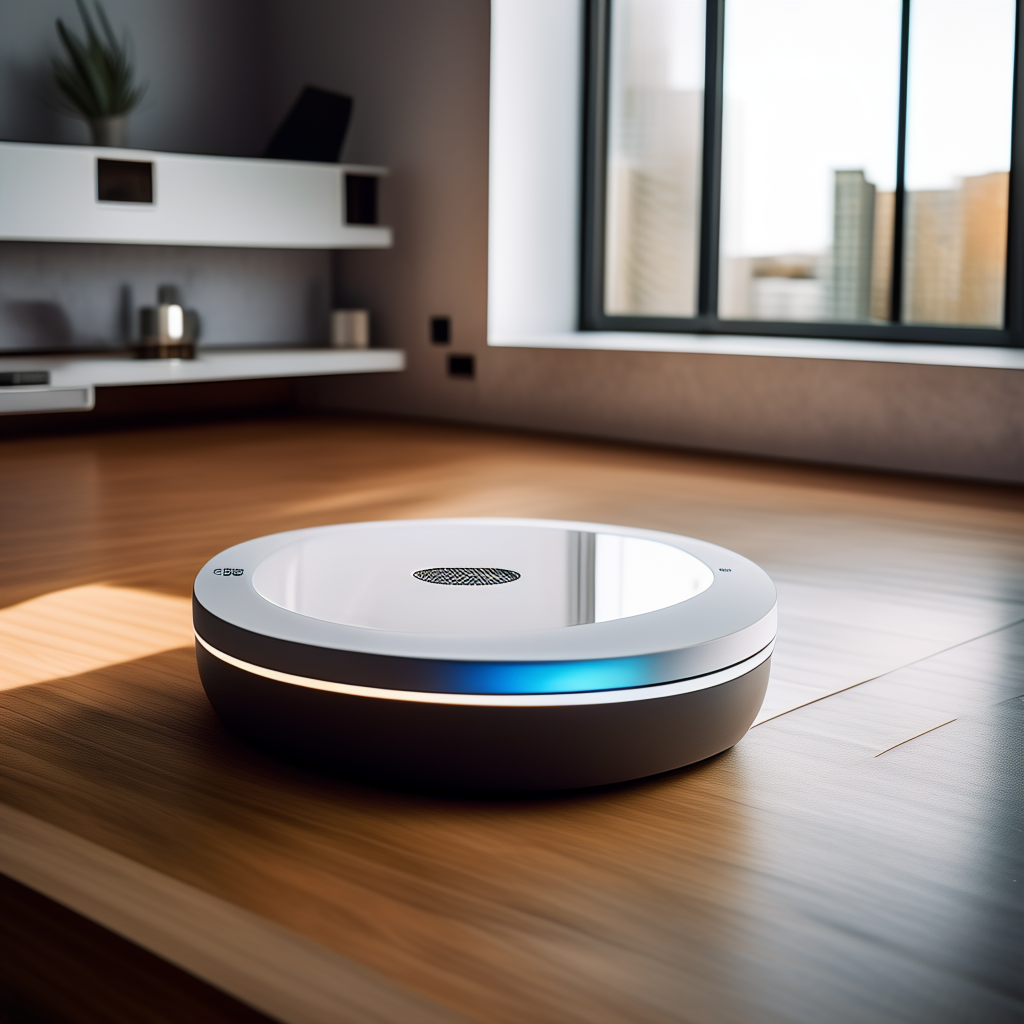
Unboxing and First Impressions
The OmniHub Pro 2026 arrives in a compact, fabric-wrapped disc that blends better with décor than any blinking black box that came before it. Setup starts the moment you plug it in: a soft e-ink top display shows a QR code that launches the HomeMind app. Within three minutes I had my first Matter-over-Thread lights, a Zigbee door lock, and a Wi-Fi thermostat all recognized without needing separate bridges. The revised Matter 1.4 standard is clearly doing heavy lifting here, but Omni deserves credit for making initial pairing genuinely foolproof.
AI That Actually Learns, Not Just Reports
Where the OmniHub Pro 2026 pulls ahead of 2025’s best is its on-device neural processing unit. The hub builds a local behavior model using only anonymized sensor data, meaning no cloud subscription or internet connection is required for automations to work. After four days of living with it, the system suggested routines I hadn’t programmed: dimming hallway lights to 15% when the bedroom door closes after 10 p.m., pre-warming the bathroom during my weekday alarm, and disabling the robot vacuum when my desk microphone picks up a call. Every suggestion came as a notification on my phone with a one-tap approval. It finally feels like my home is paying attention, not just obeying commands.
Cross-Protocol Performance
This hub is a unified translator. I threw a chaotic mix at it—Google Home cameras, HomeKit Secure Video doorbells, Z-Wave shades, and even an older IFTTT-powered coffee maker—and all appeared in the same dashboard without jailbreaking anything. Latency is near-zero for Thread devices, while Zigbee and Z-Wave commands complete reliably under 500ms. The hub’s backup LTE chip kept essential routines going during a simulated broadband outage, something no smart speaker hub can currently match. Voice control via the onboard assistant (which supports Alexa, Siri, and Omni’s own keyword) responded in clear, natural language: “Good morning, I’ve preheated the kitchen and opened the south blinds halfway” was genuinely pleasant.
How It Compares
Against the current Samsung SmartThings Station 2, the OmniHub Pro 2026 is faster and far smarter in automation creation. Amazon’s Echo Hub 2025 offers more display-centric control, but it relies on Alexa cloud processing that bogs down if your internet hiccups. Apple’s HomePod mini ecosystem still ties you tightly into HomeKit, while Omni acts Switzerland across all standards. The only downside is price: at $199, the Pro sits above voice-first smart speakers, though the local AI and universal compatibility make it a better value than two separate bridges plus a subscription for advanced automations.
Verdict
The OmniHub Pro 2026 sets a new baseline for what a smart home controller should be—intelligent, private, and completely agnostic. It erases the “which ecosystem?” anxiety that has plagued home automation for a decade and replaces it with a quiet, predictive companion. If you’re tired of app juggling and don’t want your lights turning dumb the moment the internet drops, this is the upgrade your smart home deserves in 2026.