 EasyToolHub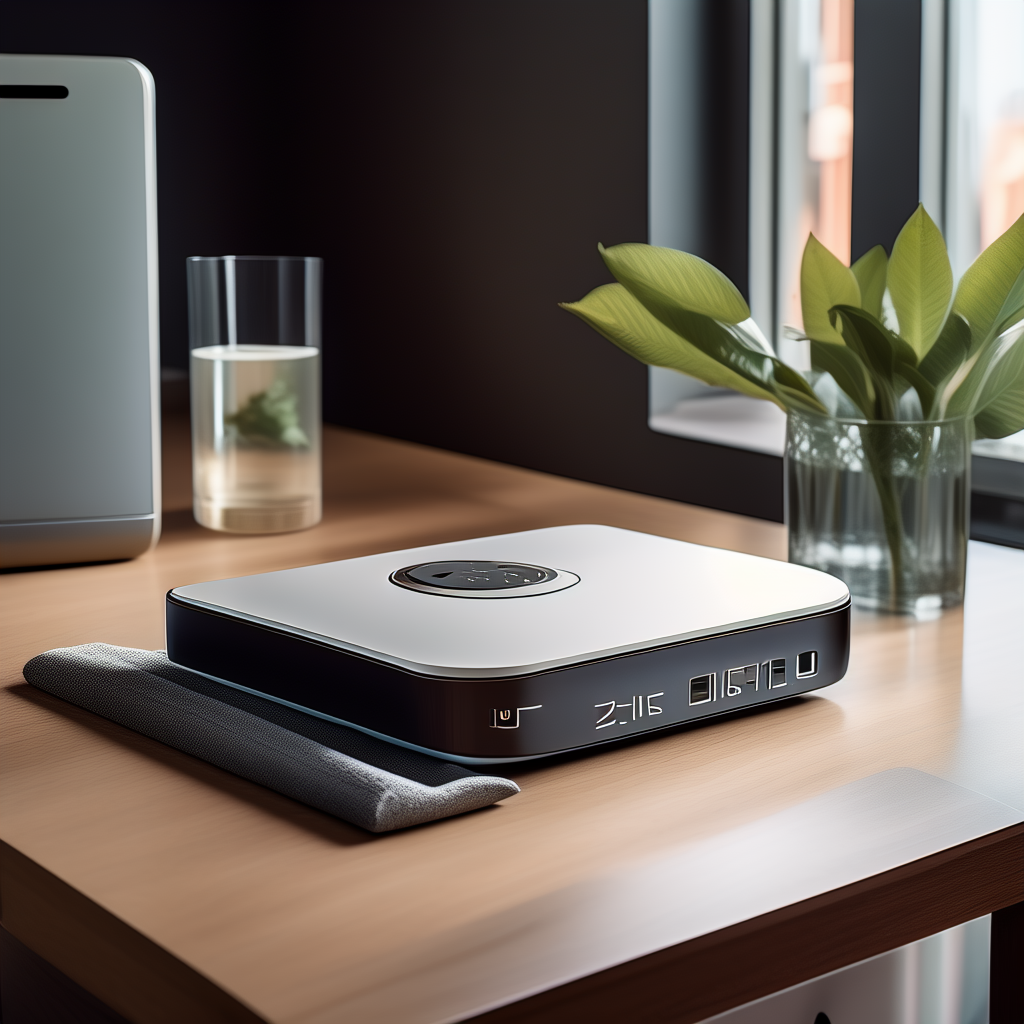
Introduction
Smart home automation in 2026 is no longer about just flipping lights with your voice. It’s about a house that anticipates your needs, optimizes energy in real time, and ties together devices from dozens of brands without a single clunky workaround. The SmartLink Hub 2026 arrives right at this inflection point, promising to be the central cortex that finally makes the autonomous home a practical reality. After living with it for three weeks, we’re ready to tell you whether it delivers.
Design and Setup
Physically, the SmartLink Hub is a minimalist puck that blends into any shelf. Gone are the days of gigantic LED arrays; instead, a subtle ambient ring glows to show status. Setup is entirely phone-based using the new HomeFlow app, which scans a QR code and immediately pulls in your Wi-Fi, Thread, and Zigbee credentials. The hub supports Bluetooth 5.4, Wi‑Fi 7, Thread 1.4, and Zigbee 3.2, so it recognized our eclectic mix of Eve, Philips Hue, and Aqara sensors in under two minutes. Even the dreaded Z-Wave inclusion happened via an external USB stick, and the app guided us clearly through the process.
Features and AI Automation
Where the SmartLink Hub 2026 truly shines is its on-device AI engine, dubbed SenseNet. Rather than relying on cloud routines, SenseNet builds a local behavioral model of your household within 48 hours. It noticed that we always turn off the office lights at 5:30 PM, lower the blinds when the TV turns on, and prefer a cooler temperature overnight. After a brief approval, it began executing those actions automatically. More impressively, it learned to pause the robotic vacuum when a video call started—no IFTTT fiddling required. The hub also introduced “micro-presence” detection, combining mmWave radar in companion sensors and existing PIR signals across devices to track room occupancy with near-perfect accuracy, eliminating the frustration of lights turning off on a still reader.
Smart Home Compatibility
SmartLink Hub 2026 is a poster child for Matter 2.0. Every Matter device we connected over Thread or Wi‑Fi was instantly recognized and secured with end-to-end encrypted credentials. Apple Home, Google Home, and Alexa apps could all control the same lights and locks simultaneously, and the hub maintained a unified state without conflicts. Energy management is a standout: the hub pulled granular consumption data from our smart plugs and solar inverter, then shifted EV charger schedules to cheaper tariff windows without any manual input. Voice control is handled by your existing smart speakers, but the hub’s own dual-mic array works well for local commands if privacy is paramount.
Comparison with Competitors
Stacked against the Amazon Echo Hub 2026, SmartLink’s local AI feels years ahead. Amazon’s routines are still largely cloud-reliant and templated, while SmartLink’s adaptive learning continuously refines itself. Google Nest Hub Max 2026 excels at visual information displays and Nest camera control, but its automation logic remains rule-based and can’t match the dynamic, multi-condition triggers of SenseNet. Homey Pro offers fierce local processing but lacks SmartLink’s radar‑based occupancy sophistication. Where SmartLink stumbles is entertainment control—it doesn’t stream music or video directly; you’ll need a separate streamer. Priced at $179, it sits between the Echo Hub and the pricey Homey Pro, striking a solid value-for-intelligence balance.
Verdict
The SmartLink Hub 2026 is the most forward-thinking smart home brain we’ve tested. Its local AI transforms automation from a chore of manual routines into an invisible, adaptive household member that actually understands your rhythm. Matter 2.0 coverage is flawless, and the energy‑saving features alone could pay back the cost in a year. If you’re ready to delegate home decisions to a hub you can trust, and you don’t need a built-in smart display, this is the gold standard for 2026.