[JA]
What’s New for 2026
This year’s standout change is magnetic analog switches moving from gaming niche to daily typing. New boards offer adjustable actuation points from 0.2mm to 4.0mm without swapping switches. That means one keyboard can feel like a speed switch for gaming and a heavier tactile for long typing sessions. Hall-effect sensors now sit under low-profile keycaps too, so travel-friendly boards no longer feel mushy.
Build Quality and Acoustics
Most 2026 models in the $150–$250 range include gasket-mounted plates, multi-layer foam, and factory-lubed stabilizers. The result is a deeper thock out of the box rather than metallic ping. I noticed fewer brands overstuffing cases with foam; instead, tuned cavities and stiffer PC plates create a cleaner sound. Aluminum frames are lighter but still rigid, and hot-swap sockets are standard across all but the most budget boards.
Connectivity and Smart Features
Tri-mode connectivity is now table stakes: low-latency 2.4GHz, Bluetooth 5.4 with multi-device pairing, and USB-C. The real upgrade is battery firmware. New models learn your usage and reduce polling when idle, pushing wireless battery life past 300 hours with RGB off. Some boards add per-key RGB that syncs to system notifications, though I turned that off after a day.
Comparison Points
Verdict
If you are still using a 2022 or older mechanical keyboard, 2026 is the right year to upgrade. You get better sound, smarter battery management, and switch flexibility that genuinely changes how the keyboard feels day to day. Buy a hot-swap magnetic analog board if you want one keyboard for both gaming and typing; skip the smart RGB and stick with a traditional mechanical board if you prefer a huge aftermarket ecosystem and lower cost.
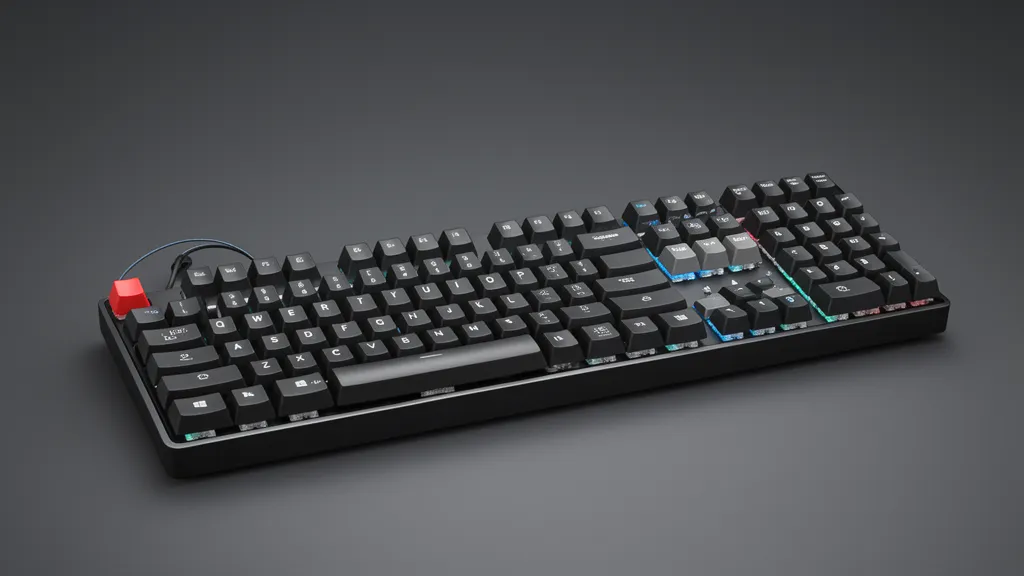
![[JA] 2026 Mechanical Keyboards: Smarter, Thockier, and Worth It](/images/blog/2026-mechanical-keyboards-smarter-thockier-and-worth-it.webp)